MotoGP Considers Relocating Qatar Grand Prix Amid Middle East Tensions
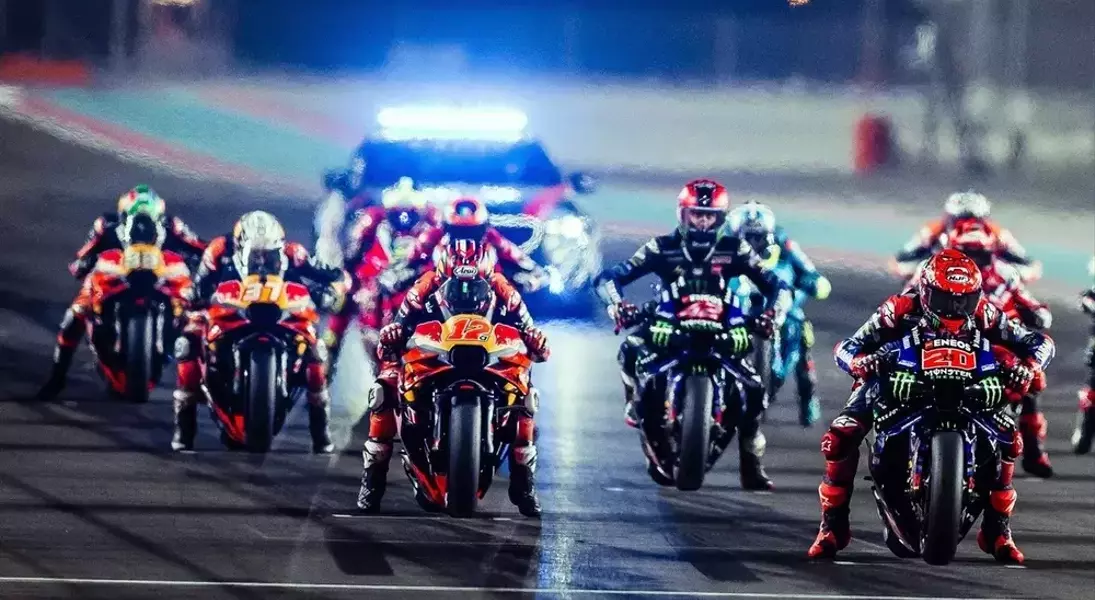
MotoGP organizers are contemplating a change of venue for the upcoming Qatar Grand Prix, citing the volatile situation in the Middle East. This potential move mirrors a recent decision by Formula 1, which relocated its Bahrain Grand Prix to Malaysia. The primary concern for MotoGP is ensuring the safety of all personnel and teams, with a definitive announcement anticipated by month's end.
The uncertainty surrounding the Qatar race could have broader implications for the MotoGP calendar, potentially affecting the initial events of the 2027 season. Logistics present a significant challenge, as finding a suitable alternative circuit on short notice that meets stringent safety standards and availability is complex, especially with the European circuit schedule already largely filled.
Geopolitical Impact on MotoGP Calendar
The escalating conflict in the Middle East has directly influenced international sporting events, leading MotoGP to consider moving its Qatar Grand Prix. This follows Formula 1's preemptive action to shift its Bahrain race to Sepang, Malaysia, a decision driven by security concerns in the region. MotoGP's sporting director, Carlos Ezpeleta, acknowledged that the organization, like F1, is closely monitoring the situation, particularly given that some championship suppliers have internal policies prohibiting staff travel to high-risk areas. The scheduled Lusail circuit race in November is currently under review, with organizers exploring all possible alternatives to guarantee participant safety. The Middle East's geopolitical landscape continues to pose challenges for major sporting events, compelling promoters to devise contingency plans to safeguard their seasons.
The ongoing conflict in the Persian Gulf, involving the United States, Israel, and Iran, has cast a shadow over this year's motorsport calendar, forcing the cancellation or postponement of several events across various championships. Formula 1, for instance, initially delayed the Saudi Arabian and Bahrain Grands Prix before confirming the latter's relocation to Malaysia. This precedent has led MotoGP to seriously evaluate its own race in Qatar. While the Lusail circuit is currently slated to host a race in November, the safety of teams and personnel is paramount. Companies involved in the championship face restrictions on sending employees to areas deemed high-risk, adding another layer of complexity to the decision-making process. The logistical hurdles of securing an alternative venue on short notice, coupled with the need to maintain a coherent schedule for the remainder of the season, are significant. The situation remains fluid, with a final decision expected soon, which could also impact the scheduling of future MotoGP events in the region.
Logistical Challenges and Future Implications
Relocating a major international sporting event like the MotoGP Qatar Grand Prix presents considerable logistical challenges. Finding an alternative circuit that not only meets MotoGP's rigorous safety standards but also has availability on such short notice is a formidable task. Carlos Ezpeleta emphasized that most European circuits are already booked, complicating efforts to secure a replacement venue. Despite these difficulties, the priority remains to ensure the safety of everyone involved. The decision-making deadline at the end of the month is crucial, as it allows sufficient time to implement any necessary changes. Beyond the immediate race, the outcome could also affect the early stages of the 2027 season, particularly the planned races in Thailand and Qatar, highlighting the far-reaching impact of current geopolitical events on the sport.
The logistical complexities of altering the MotoGP calendar are extensive, especially when faced with unforeseen geopolitical developments. Unlike Formula 1, which has multiple events in the Middle East, MotoGP has only one scheduled race in Qatar, making a potential relocation a more concentrated effort but no less challenging. The need to find a circuit that can accommodate the series' technical and safety requirements, while also fitting into an already packed international racing schedule, is a race against time. Furthermore, the two-week gap between a potential relocated Qatar race and the Portuguese Grand Prix means that all equipment and personnel must be rapidly transported and prepared for the subsequent event. While organizers hope to proceed with the race in Lusail, the possibility of rescheduling or relocating remains a live option, as safety cannot be compromised. The decisions made in the coming weeks will not only shape the current season but could also set a precedent for how future motorsport events navigate similar global uncertainties.